Meticulous Blinds

Blogs

Blogs

Real Wood vs. Faux Wood Blinds: The Best Choice for Your Delaware Home

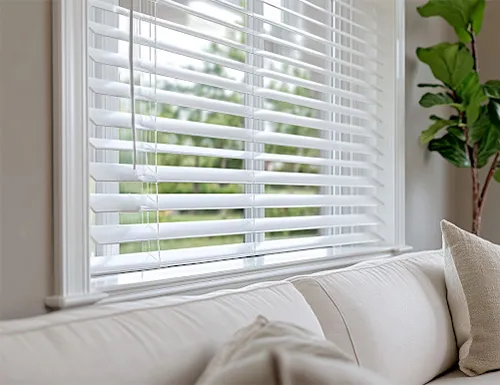
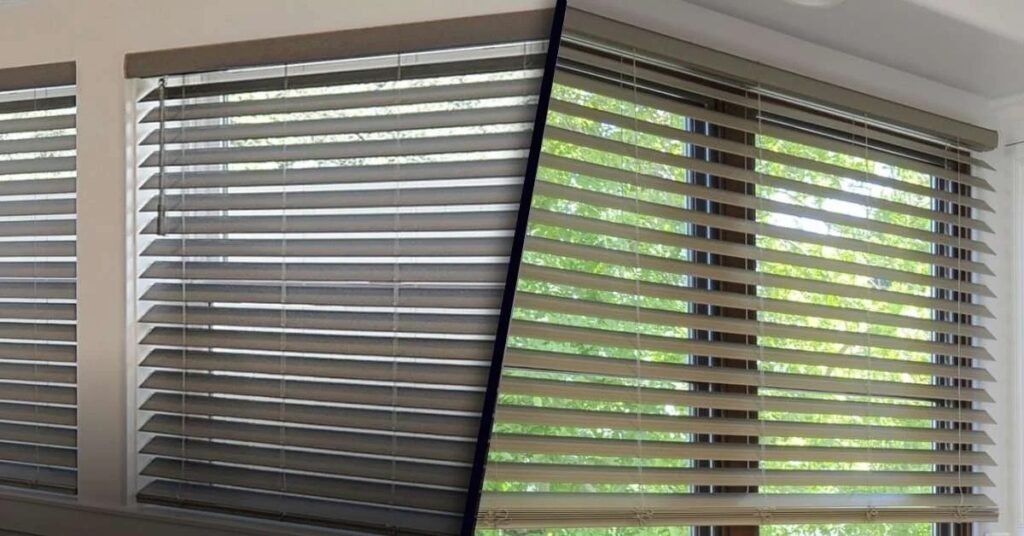
Real Wood vs. Faux Wood Blinds: The Best Choice for Your Delaware Home Here in Middletown, our homes are our sanctuaries. We face humid summers that test the limits of our air conditioners and chilly winters where we cozy up by the fire. Your windows are on the front line of these battles, and the blinds you choose need to be more than just beautiful; they need to be tough. Walk into any home in Silver Lakes or Townsend Woods, and you’ll see this dilemma play out. The classic, warm elegance of real wood versus the modern, practical durability of faux wood. It’s a debate we settle daily at our Meticulous Blinds showroom. So, let’s settle it for you. Forget the generic online guides. This is a practical, no-nonsense comparison built for Delaware homeowners. The Quick Answer: A Side-by-Side Snapshot Feature Real Wood Blinds Faux Wood Blinds The Verdict Look & Feel Authentic, warm, natural grain. A timeless classic. Mimics wood well; uniform color and texture. Elegance: Real Wood Cost A premium investment. Exceptional value for money. Budget: Faux Wood Durability Can warp or fade in extreme sun & humidity. Tough, impact-resistant, and built to last. Toughness: Faux Wood Moisture Resistance Poor. Not for humid spaces. Excellent. Laughs in the face of humidity. Bathrooms/Kitchens: Faux Wood UV Resistance Can fade with direct, southern exposure. Highly resistant to fading from sunlight. Sunny Rooms: Faux Wood Weight Lighter material. Heavier, more substantial feel. Large Windows: Real Wood The Deep Dive: What Really Matters for Your Home 1. The Feel Factor: Beauty vs. Brawn Real Wood: There’s no substitute. Run your hand across a slat of genuine basswood, and you feel the subtle grain and the warm, lightweight finish. It’s a traditional luxury that elevates a formal living room or a master bedroom. It’s the perfect complement to the classic colonial and farmhouse styles we love here in Delaware. Faux Wood: Don’t let the name fool you. Today’s faux wood (usually a PVC/composite blend) has come a long way. The textures are impressive, but the feel is different—smoother and cooler to the touch. Its strength is its consistency, offering a clean, uniform look perfect for a modern aesthetic. 2. The Delaware Climate Test: Your Biggest Consideration Let’s get local. This isn’t a theoretical discussion; it’s about surviving a Delaware summer. Real Wood: Think of wood like a fine piece of furniture. You wouldn’t put a solid oak table in your shower. The consistent humidity in a bathroom or the steam from a kitchen will eventually cause real wood blinds to warp, twist, or crack. Even in a sunroom, the intense afternoon sun beating through the window can fade the rich stain over time. Faux Wood: This is where faux wood blinds become the undisputed champion for Delawareans. They are virtually impervious to moisture. That morning shower steam in your Pike Creek bathroom? The splash zone from the kitchen sink? The humid air in a basement? Faux wood handles it all without breaking a sweat. It won’t warp, peel, or fade, making it the smart, practical choice for any room that experiences climate fluctuations. 3. Cost & Value: Paying for What You Need Real Wood is a craft product. You’re paying for the natural material and the craftsmanship. It’s an investment in aesthetics. Faux Wood is an innovation product. You’re paying for advanced polymers and manufacturing that delivers incredible durability at a more accessible price point. It’s an investment in practicality. For most families, faux wood offers the best value—getting the wood look for a longer lifespan in our specific climate. The Meticulous Recommendation: Room by Room Choose FAUX WOOD for: Bathrooms & Kitchens: Non-negotiable. Humidity resistance is key. Basements: Dampness is a non-issue. Kids’ Rooms & Playrooms: Stands up to bumps and spills. South-Facing Rooms: Resists fading from relentless sun. Choose REAL WOOD for: Formal Living & Dining Rooms: Where elegance is paramount. Adult Home Offices & Bedrooms: In climate-controlled spaces, their beauty can shine without risk. Conclusion: The Right Choice is in Your Hands The choice between genuine and faux wood blinds isn’t about finding the best product, but the best product for your home. If you desire authentic, traditional beauty in a dry, climate-controlled space like a formal living room, real wood offers unmatched elegance. For everyday durability and moisture resistance in Delaware’s variable climate, perfect for kitchens, bathrooms, and sunny rooms, faux wood is the practical and wise choice. The best way to decide is to see them in your own home. Let the experts at Meticulous Blinds bring samples to you for a free, no-obligation consultation. We’ll provide a straightforward, expert recommendation tailored to your space. Don’t just cover your windows, transform them. Schedule Your Free In-Home Consultation Today!
Blogs

5 Signs That It’s Time to Replace Your Outdated Window Treatments

5 Signs That It’s Time to Replace Your Outdated Window Treatments Window treatments, blinds, shades, drapes, or shutters perform an essential function of light control, privacy, savings, and looks for your house. Over time, even the best quality covers no longer function, break down, or go out of fashion. Whether it is time or not to change or update them is what you may be worried about, so here are five signs that your window coverings require a makeover. 1. Lower Control of Light and Privacy Brittle blinds with curved slats or sagging shades no longer block light as effectively or provide privacy. If it allows in blinding light or passersby, not only is it maddening, but it can also ruin furnishings, wallpaper, or flooring. New roller sheer shades or light-filtering fabric shades provide much more control, blocking glare but not views and privacy. Perhaps it is time to look toward replacements of wiser material and superior construction. 2. Over-Damage or Over-Fading UV light slowly bleaches and fades the color and fabrics. When your drapes, shutters, or blinds are fraying, yellowing, or wearing out on the material, they’re no longer protecting your interiors or showing their best faces. New treatments now contain UV protective features to protect fabric, furniture, artwork, and decor from the destruction brought by sunlight, making renewal a smart investment. 3. Higher Bills and Energy Waste Worn or thin coverings let heat seep in during summer and escape during winter, driving up energy costs. Modern shutters and shades are engineered with better insulation, helping control room temperature and reducing energy consumption. If you’ve noticed your HVAC working harder, upgrading to energy-efficient window treatments could save money and improve comfort. 4. Outdated Style or Poor Fit Fashion changes, such as the drapes in your family room. Worn, frayed, or sagging treatments, particularly ill-fitting, mismatched, or faulty ones, will be depressing to a room’s look. Yours could be ill-fitting drapes, stiff shutters, or mismatched blinds. A well-coordinated facelift can provide a new image. Custom window treatment designs created especially for your own windows provide finer looks and a finished look. 5. Won’t Work or Safety Problems Bulged cords, rigid slats, or therapies that no longer glide smoothly up or down are not only inconvenient but also dangerous. Animals and children are especially in danger around older corded machines. Newer motorized or cordless machines provide smoother operation, improved safety, and many times smart home system integration. Replacing is simpler and safer than repairing if your therapies aren’t functioning. Decision Making: Decide to Fix or Replace Deciding whether or not to fix or replace your existing window treatments isn’t always simple. The majority of the homeowners are left with nothing but that same question in mind: do I fix it, or do I buy new? The decision depends on how bad the damage is, economics, aesthetics, safety, and long-term advantages. Let’s discover what considerations will lead you to the best choice. Minor Repairs That Still Work Not every issue requires replacement in its entirety. If you merely have one damaged slat for your blinds, a loose but otherwise good working shade cord, or a loose mounting clip, then repair is a perfect and inexpensive solution. In these cases, a same-day repair will have you back on the road again without the cost of buying from scratch. The repairs are worth it if your treatments are not so ancient yet and still in proportion with the appearance of your house. Spending small amounts of money on repairs extends their lifetime, and you can keep on enjoying them. When Repairs Become Too Expensive or Too Frequent While an occasional repair can be tolerated, repeated fixing is expensive. If you’re repainting your shutters over and over or your drapes are always ripping at the seam, you’re likely spending more on repairs than the treatments cost you. Replacing them entirely keeps you out of the loop of quick-fixing and ongoing expense. Aside from expense, repeated breakdowns are annoying. Constant re-pivoting of bowed blinds or fiddling with jammed cords is annoying. Eventually, it is just easier to replace the entire system for easy everyday use. Safety and Functional Issues The second concern to be discussed is safety. The older corded ones are dangerous to children and pets. In case your treatments are not doing what they are meant to, are sticky, or will not stick, replacement would be safer and more reliable. Modern alternatives like motorized window shades or lightweight blinds not only address the issue of safety but also save time. Modulating the light factor, enhancing privacy, and having higher comfort are all a matter of the push of a button. Energy Efficiency and Long-Term Savings Old window treatments don’t cost much; they’re just a thorn in your neck. They are also a thorn in your utility bill. Thin film or loosely operating blinds let cold seep out in the winter and warm air out in the summer, causing your air conditioner and heater to work overtime. The use of energy-saving window treatments maintains the inside temperature constant and conserves a few hundred dollars in the long run. While the replacement cost may appear to be more, the energy savings do not take long to recover the cost. Practical Tips When Replacing Window Treatments Measure accurately: Have treatments cut to your window measurement for a perfect fit and function. Select a proper style for every room: Bedrooms can have room-darkening drapes; living rooms can have light sheer shades or modern shutters. Select energy efficiency and UV protection for long-term value. Avoid smart or cordless functionality not for amenities, but for long-term comfort and protection. Organize a professional consultation: They will evaluate your needs, suggest the appropriate material and design, and schedule professional installation. Conclusion Choosing a window treatment Company that has reached the end of its useful life adds coziness, safety, and aesthetic appeal to your house. It’s probably time to look into more contemporary options like custom blinds, shades, drapes, or shutters, items

Blogs

 Why Your Blinds Look Cheap: Top Installation Mistakes to Fix

Blinds Installation Mistakes That Make Your Windows Look Cheap (And How to Avoid Them) Introduction: Why Proper Blinds Installation Matters for Your Home’s Look and Value A well-fitted set of blinds can make a room feel polished and inviting. A poorly installed one? Crooked lines, awkward gaps, and constant adjustments that drive you mad. In homes across Middletwon, DE, from modern condos to historic waterfront houses, details like accurate measuring, correct mounting, and solid hardware decide whether your windows look high-end or unfinished. Proper window blinds installation isn’t just about hanging a product; it’s about blending style, privacy, light control, and energy efficiency into one seamless finish. Common Blinds Installation Mistakes Homeowners Make Even the most expensive blinds can look bargain-bin if the installation goes wrong. Here’s where most homeowners slip up and how to avoid ending up with cheap-looking windows. Incorrect Measurements That Lead to Awkward Gaps A single measuring error can turn your blinds into privacy nightmares. Too narrow, and you’ll see strips of light and exposed glass; too wide, and the slats scrape the frame every time you open or close them. The fix is simple: use a blinds measuring guide and check the width, height, and depth in at least three places. For width, take the smallest number; for height, use the largest. This ensures a snug fit, whether you’re going for inside mount blinds or a wider outside mount. Choosing the Wrong Mounting Style for the Window Type The inside vs. outside mount decision isn’t just an aesthetic choice; it affects light control, frame visibility, and installation stability. Inside mounts give a sleek, built-in appearance but need enough depth of the window frame for proper mounting brackets. Outside mounts are great for hiding damaged trim and blocking extra light, but if oversized, they can overwhelm smaller windows. A quick consultation with a professional blind installer can help avoid mismatched proportions. Failing to Level the Blinds During Installation Crooked blinds instantly signal bad workmanship. Even slight uneven bracket alignment will make them hang at an angle, ruining the clean lines. A level tool isn’t optional; it’s your best friend for getting installation alignment right the first time. Ignoring the Manufacturer’s Instructions Every window blinds installation brand uses slightly different hardware, tension settings, and cord safety designs. Skipping the instruction sheet may seem like a time-saver, but it often leads to misaligned blinds or mechanical issues that require a complete reinstallation, and can void your warranty. Using Low-Quality or Mismatched Hardware Your blinds are only as strong as what holds them up. Weak screws, bent mounting brackets, or visible mismatched parts will cheapen the look and shorten their lifespan. Follow athe installation tool checklist and invest in proper-grade materials so your blinds stay sturdy, safe, and polished. How to Install Blinds Correctly for a Polished, Professional Look Installing blinds isn’t just about getting them on the wall, it’s about precision, proportion, and polish. Follow these steps to ensure your window shutters installation looks high-end and works flawlessly. Step 1: Accurate Measuring for a Perfect Fit Precision starts with the right tools. A steel tape measure gives exact readings, unlike fabric ones that can stretch. For inside-mount blinds, check the depth of the window frame to ensure the headrail sits flush without protruding. In older homes, especially those around Middletwon, DE, frames can be slightly out of square, so measure width, height, and depth in multiple spots before ordering. Step 2: Choosing the Right Blind Style and Mounting Position The style and mount should match the room’s purpose. Roller blinds are great for kitchens where cleaning is frequent, Venetian blinds provide adjustable light in living rooms, and cellular shades offer insulation for bedrooms. The inside vs. outside mount choice should also reflect your needs: inside for a built-in look, outside for maximum light blockage or to cover uneven trim. Step 3: Prepping the Window Area Before Installation A clean surface makes for a stable install. Remove dust, old screws, or debris from previous fixtures. Fill in the unused holes and sand the rough edges so that the brackets sit flush. Mark drill points precisely using a pencil and level tool; it saves time correcting mistakes later. Step 4: Installing and Leveling the Brackets Bracket placement is everything for proper installation alignment. Use a level to ensure both sides are perfectly even, mark your spots, then drill pilot holes to prevent wood splitting. Secure the mounting brackets firmly so the blinds won’t wobble or sag over time. Step 5: Attaching the Blinds and Testing Operation Whether you’re snapping in a headrail or screwing in a roller tube, follow the manufacturer’s instructions for your specific model. Once attached, raise and lower the blinds several times to check for smooth movement, even roll, and no scraping against the frame. The Benefits of Getting Blinds Installation Right the First Time When blinds are installed with precision, the difference is instantly visible, and it’s not just about looks. Proper window shade installation gives you smooth operation, clean alignment, and the exact level of light control you want in each room. A correct fit also plays a role in energy efficiency. In summer, well-fitted blinds reduce heat gain and protect interiors from UV damage. In winter, they help retain warmth, cutting down on heating costs. Beyond comfort, they can subtly boost property value, since potential buyers notice details like straight, gap-free window treatments. Choosing professional blind installation services means you get the benefit of advanced tools and techniques. At Meticulous Blinds, our team uses laser levels for perfect bracket alignment, measures down to the millimeter for custom-fit blinds, and tests every unit to ensure flawless operation before leaving your home. Real-Life Scenarios: When Bad Installation Ruined the Look Even the most expensive custom window treatments can look wrong if the basics are skipped. In one Middletown, DE home, a set of high-end roller blinds was ordered without checking the window frame depth. They stuck out past the trim, scraped the edges, and lost

Blogs

Window Privacy Without Ugly Curtains: What Annapolis Homeowners Are Doing Instead

Window Privacy Without Ugly Curtains: What Annapolis Homeowners Are Doing Instead The Battle Between Privacy and Aesthetics Homeowners in Annapolis don’t just want privacy; they want it to look good. Thick curtains block views but also kill natural light, clash with modern interiors, and feel like a compromise. Today’s homeowners are choosing smarter solutions: privacy blinds, light-filtering shades, and interior shutters. These offer actual control over light, views, and design. They’re not just add-ons; they’re built into the home’s style and function. Unlike curtains, these options adapt to window shape, room use, and architectural context, from Eastport condos to historic district row homes. What Do We Mean by “Window Privacy Without Curtains”? Window privacy without curtains means control, over what can be seen in, without blocking light out. It’s about creating personal space without compromising the way your room looks or feels. In Annapolis homes, especially those with street-facing windows or narrow lot spacing, privacy is a daily concern. But traditional curtains often make rooms darker, bulkier, and outdated. That’s where modern alternatives come in. Solutions like privacy blinds, light-filtering shades, and residential interior shutters offer layered privacy, blocking views without blacking out the space. These window privacy solutions let homeowners fine-tune visibility during the day while keeping the space clean, open, and styled. This isn’t about decoration, it’s about functional window treatments that work with your design, not against it. Why Annapolis Homeowners Are Rethinking Curtains Curtains used to be the default. But in a city like Annapolis, where homes range from historic colonials to coastal modern builds they don’t cut it anymore. Bulky fabrics clash with clean interior lines, absorb dust, and limit flexibility. They block views entirely or not at all, no middle ground. That’s why more homeowners are switching to modern window treatments like custom roller shades, Venetian blinds, and interior plantation shutters. These aren’t just cleaner-looking, they’re functional, low-maintenance, and space-saving. Plus, with options like motorized privacy systems, UV-blocking materials, and modern blinds, homeowners are choosing tailored control instead of all-or-nothing drapes. This shift isn’t about trends  it’s about smarter design. Less fabric. More flexibility. Better fit for how people actually live in Annapolis homes. Blinds, Shades, and Shutters: The Modern Alternatives That Work When curtains don’t make sense, homeowners turn to smarter options not just for privacy, but for design alignment, light control, and functionality. Today’s window treatments aren’t one-size-fits-all. They’re tailored to your space, your habits, and how your home works throughout the day. Roller Shades These are minimal, clean, and ideal for modern interiors. Available in blackout, light-filtering, or dual-fabric styles, roller shades provide streamlined privacy without visual bulk. Perfect for condos, home offices, and open-layout spaces in Annapolis. Faux Wood Blinds Built for moisture-heavy areas like bathrooms or kitchens, faux wood options offer the warm look of timber with better durability. They resist warping, are easy to wipe down, and blend well in coastal or transitional interiors. Venetian Blinds With adjustable horizontal slats, Venetian blinds give full control over light and sightlines. They’re ideal for ground-level bedrooms or front-facing living rooms where angled privacy is needed without going full blackout. Sheer Shades Designed for softening daylight while reducing visibility from outside, sheer shades suit homes that value filtered natural light, especially in sitting areas or sunrooms. Layered textures make them a design-forward alternative for spaces that feel too formal with hard treatments. Interior Plantation Shutters Best for traditional or historic homes, shutters offer permanent privacy with architectural charm. They add structure to window frames, boost insulation, and increase home value a popular choice in neighborhoods like Murray Hill or President Point. Meticulous Blinds don’t just install; we help you design around privacy. Whether you’re after noise reduction, energy efficiency, or layered shading, we match you with the treatment that fits both the room and your routine. Can You Really Have Privacy Without Losing Natural Light? Yes. You don’t need to darken your home to feel secure. The right window coverings let you block visibility while still keeping your space bright and comfortable. In places like Eastport or downtown Annapolis, where houses sit close together and windows face sidewalks, full coverage can feel like living in a box. That’s where dual-function shades come in. Options like top-down/bottom-up systems, translucent roller fabrics, and day-to-night blinds let you maintain visual privacy without cutting off daylight. These are built for layered control. You can shield the lower portion of a window, where people typically sit in while keeping the upper half open to daylight. It’s an ideal setup for rooms where you live and move: kitchens, dining areas, and family spaces. For even more flexibility, solar shades reduce glare and UV without fully blocking your view. That means you stay protected from outside eyes, but still enjoy the sky, your yard, or the waterfront without interruption. Privacy Challenges in Rental Homes and How to Work Around Them Renting in Annapolis shouldn’t mean living in a fishbowl. But if your lease restricts drilling or hardware installation, your window privacy options can feel limited, especially in multi-unit buildings, basement apartments, or short-term rentals. Luckily, modern non-invasive window treatments are built for flexibility. Solutions like pressure-fit blinds, tension-mounted privacy systems, and peel-and-stick roller shades require zero tools and leave no damage behind. They’re ideal for spaces where landlord restrictions prevent permanent modifications. Whether you’re in an Eastport walk-up, a Parole townhouse rental, or a downtown loft, these tool-free options provide real coverage and style, no plastic stick-ons or awkward DIY hacks. Common Mistakes People Make with Window Privacy (and How to Avoid Them) Getting privacy right isn’t just about slapping something on your windows. Homeowners often end up with blinds that are either too opaque or barely effective. One mistake? Going with ultra-dark fabrics in low-light areas, which turns your space into a cave instead of a retreat. Another issue? Poor fit. Off-the-shelf sizes often leave light leaks along the edges, defeating the whole point of having a privacy barrier. And then there’s the aesthetic mismatch, bold

Blogs

Which Window Treatments Keep Your Middletown Home Cool in Summer?

Which Window Treatments Keep Your Middletown Home Cool in Summer? The Middletown Heat Is Real, But Your Windows Don’t Have to Be the Problem Delaware heat isn’t just about high temps; it’s about trapped humidity, relentless afternoon sun, and rooms that stay hot long after sunset. If you’ve got bare windows or thin coverings, they’re not just letting in light; they’re raising your indoor temperature by several degrees a day. The fix isn’t blackout curtains you hate looking at. It’s the right window treatments that block heat while still letting your home breathe. Think UV-filtering shades, insulating blinds, and light-filtering layers that actually cut solar gain, not just dim the room. This blog breaks down the options that work, not the trendy Pinterest picks. You’ll get real answers for cooling rooms facing direct sunlight, insulating south-facing glass, and dealing with Middletown’s humidity without overusing AC. Why Your Home Gets So Hot in the Summer, Especially in Delaware Delaware summers hit hard not just with temperature, but with dense humidity and high solar exposure. When your windows face direct sun, especially on the south or west sides, you’re dealing with solar heat gain where untreated glass acts like a magnifier, letting heat flood your rooms. Homes in areas like Townsend, Odessa, and older parts of Middletown often have large, single-pane windows, minimal overhangs, or outdated interior coverings that don’t deflect heat. Combine that with poor ventilation or improperly installed window coverings, and indoor temps rise fast even with AC running. The wrong window treatment choice only makes it worse. Sheer panels, off-the-shelf vinyl blinds, or loose inside mounts may look fine, but they allow UV rays, glare, and infrared heat to creep in all day. Without UV-blocking, insulating, or thermal-grade materials, your windows stay hot zones, not light filters. What Makes a Window Treatment “Heat-Blocking”? Not all blinds cool your home; only the ones designed to block radiant heat and minimize indoor temperature rise do the job. A true heat-reducing window treatment works by combining UV filtration, material density, and light control precision. The most effective options use multi-layered fabrics, reflective coatings, or air-pocket structures to reduce infrared absorption. Outside-mounted shades, dual-function roller systems, and light-colored cellular materials perform far better than thin, decorative panels. To work against Delaware’s muggy summers, your coverings should include at least one of these features: thermal insulation, sun glare reduction, humidity resistance, or tight window sealing. And yes, whether it’s motorized blinds, plantation shutters, or cordless insulating shades, installation quality plays a major role. Best Window Treatment Types to Keep Rooms Cool in Summer When it comes to real heat control, not all window coverings cut it. The materials, structure, and how they interact with sunlight, that’s what separates interior design fluff from functional thermal-grade protection. In hot, humid towns like Middletown or Townsend, your blinds should do more than block light; they should resist moisture, prevent UV intrusion, and stabilize room temperature. Below are the window treatment types that actually perform built to reduce solar heat gain, withstand humidity, and fit into every room type, from kitchens to media rooms. Honeycomb Shades: Built for Thermal Insulation Cellular shades, also known as honeycomb shades, are the gold standard for heat control. Their inner air pockets trap warmth before it enters the room, acting like a buffer between the sun and your space. They’re ideal for bedrooms, offices, and upstairs rooms where temperature swings are common. With custom sizing and cordless options, they also serve well in homes with kids or pets. If you’re aiming for energy-efficient blinds that genuinely cut down your AC use, these outperform basic vinyl or fabric styles, especially when outside-mounted with light-colored fabrics. Solar Shades: Keep the Light, Lose the Heat Solar shades are designed for homes that get direct sun exposure but still want visibility. Perfect for large living rooms or glass-heavy spaces, these blinds come with openness levels (1%–5%) to control how much light gets in while still rejecting infrared heat and UV rays. They reduce glare without darkening the room and offer clean, modern finishes, making them a favorite for interior designers focused on light balance and comfort. Faux Wood Blinds: Tough on Heat, Easy on Maintenance If you want the look of real wood but don’t want to worry about warping in humidity, faux wood blinds are the way to go. They are moisture-resistant and durable, making them a much better fit for Delaware kitchens, bathrooms, and laundry rooms. They repel heat, resist wear and tear, and wipe clean easily, making them great for families or high-traffic spaces. This is your budget-friendly, all-weather winner. Blackout Roller Shades: Maximum Sun Block for Hot Zones When total light blockage is required, roller shades are the ideal solution. These are perfect for media rooms, nurseries, or sun-facing bedrooms where even filtered light can be blinding in summer. With taut edges and lightproof fabrics, they block out both visible and infrared rays, providing an immediate drop in temperature. Bonus: they are available in ornamental finishes so it doesn’t look like you’re living in a cave. Plantation Shutters: Elegant, Structural, and Year-Round Efficient Plantation shutters aren’t just pretty, they’re structurally effective. Made from dense materials like composite wood or PVC, they’re fantastic insulators that adapt well to both summer heat and winter cold. Their adjustable louvers allow airflow while still blocking direct rays, perfect for homeowners who want control without going dark. They also boost property value and blend beautifully with classic Middletown home architecture. Choosing the Right Window Treatment for Your Room and Needs Window treatments should match more than your style; they need to align with each room’s orientation, exposure, and use. A second-floor bedroom with a narrow casement window won’t need the same coverage as a sun-blasted kitchen bay window. Function always comes first. The right setup depends on light direction, interior temperature shifts, and whether you want full blackout, filtered glow, or passive cooling. There’s no one-size-fits-all solution and trying to force one often leads to discomfort,

Blogs

Can I Install Window Blinds Myself or Should I Hire a Pro?

Can I Install Window Blinds Myself or Should I Hire a Pro? A Real Cost Breakdown for Homeowners The DIY Dilemma Every Homeowner Faces You just got your new window blinds — sleek, clean, still in the box. They’re leaning against the wall, and now you’re wondering: Do I really need to pay someone to put these up, or can I just do it myself? That question isn’t just about saving money — it’s about knowing your limits, understanding the tools, and deciding what’s worth your weekend. DIY blind installation seems simple on paper. Measure, drill, hang. Right? But in real life, it’s rarely that tidy. The bracket doesn’t line up. The window’s uneven. The cordless mechanism won’t tilt smoothly. And suddenly you’re sweating with a drill in one hand and a wall anchor stuck halfway into drywall. This guide is for homeowners who want to make the smart decision, not just the cheapest one. We’ll walk through what it really takes to install blinds yourself, how much it costs to hire someone, and how to know when it’s worth calling a professional. We’ll break it down not just in dollars and time, but in effort, risk, and peace of mind. Whether you’re dealing with motorized blinds in a newly renovated home or a basic faux wood set in your apartment living room, this blog will help you figure out what’s best for your space and your sanity. What Does Installing Window Blinds Really Involve? It’s Not Just Screws and Brackets — It’s Precision and Planning Putting up window blinds sounds like a small job until you’re standing in front of a window with a tape measure, second-guessing every number. It starts with choosing the right mount: inside the frame for a snug, modern look or outside for wider coverage. That decision alone affects how much light gets in, how the blinds will fit, and whether your window trim can even support them. You’ll also need to consider what type of window treatment you’re installing. Cordless blinds, vertical panels, zebra shades, or faux wood blinds all come with slightly different installation requirements. Some need exact spacing between brackets. Others require pre-assembled valances or support bars. And not all windows are cooperative. Older homes often have frames that aren’t square or drywall that crumbles under pressure. Bay windows, arched frames, or oversized sliders all require additional care, and sometimes custom hardware. Don’t Forget the Fine Print (and the Wall Anchors) Even something as small as knowing where your studs are can make the difference between a smooth install and patching a blown-out wall. Leveling window blinds is another overlooked detail. If your bracket is even slightly off, the entire blind will sag or tilt, making the whole setup look sloppy. That’s why installation service providers don’t just hang blinds — they prep the space, test the fit, check for obstructions, and ensure each piece is structurally secure. It’s more like trim carpentry than home dĂŠcor. If you’re doing this yourself, expect to measure twice, drill once — then maybe measure again just to be safe. Related Services and Setup Scenarios Installing blinds also intersects with other services. For example: If you’ve just moved into a new build, you might be dealing with pre-installed window coverings that need removal first. For families upgrading to motorized blinds, you’ll likely need a professional setup for remote-control syncing or smart home integration. Renters may need no-drill options like tension rods or adhesive brackets, which limit what type of blinds you can choose. These variables are why most window blind installation services don’t use a one-size-fits-all model. Each job has its own layout, material, light control goals, and installation risk. DIY Blind Installation: Pros, Cons, and Hidden Costs When Doing It Yourself Actually Makes Sense There are times when rolling up your sleeves and installing blinds on your own makes perfect sense. You’re working with a simple setup — square windows, light blinds, clear daylight. No kids running through the room. No rush to finish before guests arrive. Just a calm afternoon and a clean space. In situations like that, DIY blind installation can feel satisfying. You control the pace. You test each bracket before committing. You make small adjustments as you go. Maybe you’re outfitting a spare room, a guest bathroom, or an apartment with standard-sized frames that already fit off-the-shelf blinds. If you’ve got steady hands, a basic drill, and the confidence to measure twice, you can absolutely pull it off — especially if the blinds aren’t cordless, motorized, or layered with custom valances. Some people choose the DIY route not because it’s cheaper, but because they genuinely enjoy doing things themselves. And in those cases, where time is available and the stakes are low, it can be a clean, low-risk project. But that’s not how most of these stories end. Where DIY Starts to Break Down In the real world, homes aren’t perfect. Walls aren’t level. Window frames aren’t symmetrical. And not every instruction manual is written with first-timers in mind. One of the most common errors we see? Misjudging the mount depth. Homeowners measure the width, but not the recess. The result? Blinds that stick out awkwardly or rub against the trim every time they’re raised or lowered. Another big one: insecure brackets. If you don’t hit a stud or use the right anchor, one tug can pull the whole thing loose. And once that drywall hole widens or crumbles, now you’re into repairs, not just reinstallation. Even if the hardware goes in fine, a small misalignment at the start — just a few millimeters — can lead to tilted slats, binding lift cords, or blinds that simply don’t hang flush. It’s the kind of visual mistake that nags at you every time you walk into the room. And if you’ve ever drilled into the wrong spot — or worse, nicked a wire or pipe behind the wall — then you already know how quickly a $40 blind install turns into

Blogs

Why Everyone’s Talking About Pergola Curtains

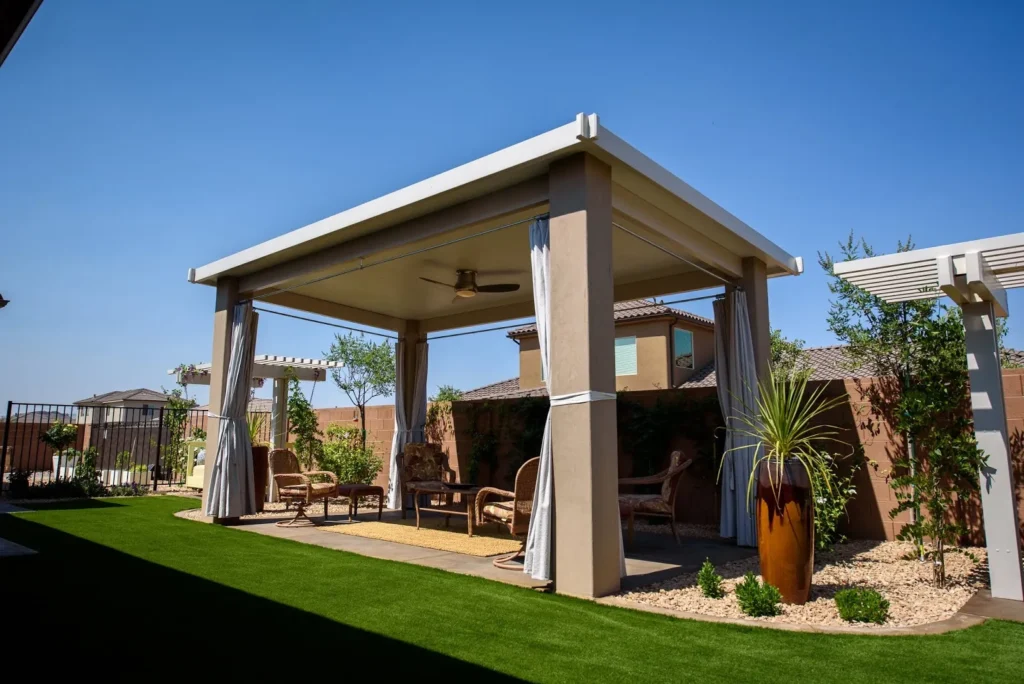
Why Everyone’s Talking About Pergola Curtains (And How to Use Them Right) The Curtain Call That Changed Backyards Once considered just a soft accent for sunny patios, pergola curtains have become the secret weapon of homeowners who know what real outdoor living looks like. From breezy afternoons in Annapolis to humid evenings in Middletown, more and more patios, decks, and garden structures are being elevated with just a few simple panels. Pergola curtains aren’t just about aesthetics anymore—they’re about shade, privacy, weather control, and mood. And whether you’re sipping coffee in the early morning or hosting a long-table dinner under Edison bulbs, curtains have quietly become the finishing touch that ties the whole scene together. But while the trend is spreading fast, doing it right still takes a little know-how. What Exactly Are Pergola Curtains? Pergola curtains are outdoor fabric panels crafted to hang along the sides of pergolas, cabanas, and covered patios, offering both beauty and function in one elegant sweep. Unlike indoor drapes, these curtains are made from durable, weather-tough materials, such as mildew-resistant canvas, UV-blocking polyester, and vinyl-coated fabrics, designed specifically to endure sun, rain, and seasonal shifts without fading or fraying.  They can be purely decorative, adding softness and movement to a static structure, or entirely functional, helping block harsh sunlight, create intimate privacy, and even reduce wind exposure on open decks and patios. In areas like Delaware and coastal Maryland, where homes often face strong afternoon sun or need added seclusion from neighboring properties, pergola curtains are gaining ground as an essential upgrade. Why Pergola Curtains Are Suddenly Everywhere There’s a reason pergola curtains are cropping up in patios and backyards from Annapolis to Middletown; they’re not just a passing design trend, they’re a reflection of how people actually want to live now. As more homeowners prioritize outdoor comfort, privacy, and visual harmony, pergola curtains have quietly become a top-tier upgrade. What once was considered an optional flair is now essential, especially in regions like coastal Delaware or southeastern Pennsylvania, where weather shifts and neighborhood layouts demand flexible solutions. People want to enjoy their decks longer into the evening, block glare without shutting out the breeze, and create zones of calm that feel intimate, even outdoors.  Social media, HGTV, and design blogs may have amplified their visibility, but the real reason they’re everywhere? They work. Unlike a full renovation or expensive hardscape overhaul, adding curtains is a fast, affordable way to soften hard lines, frame a view, and reclaim control over your space, without overbuilding or overcomplicating. In today’s backyard culture, where the goal is to extend your indoor comfort outward, pergola curtains are becoming less of a luxury and more of a must-have. Pergola Curtain Benefits That Go Way Beyond Style 1. Privacy Without Building Walls One of the biggest reasons homeowners are adding pergola curtains is for privacy, without making the space feel closed off. In tighter neighborhoods across Maryland and Delaware, where homes sit close together, these curtains act like soft shields. You can enjoy a morning coffee or a quiet dinner without feeling like you’re on display. 2. Shade Where You Need It Most Pergola curtains let you control light without eliminating it. Instead of relying on a fixed roof or permanent enclosure, you can slide curtains closed during peak sun hours, especially helpful on the west side of your pergola, where glare often hits hardest. In places like Middletown or Kennett Square, where summer sun can be intense, they offer a simple way to stay cool and protected. 3. A Wind & Weather Buffer Light wind can be charming. Constant gusts? Not so much. Pergola curtains help reduce wind exposure on open decks, making your outdoor furniture and gatherings more comfortable. In coastal towns or elevated neighborhoods where breezes roll in often, they serve as an effective windbreak without compromising aesthetics. 4. Keep the Bugs at Bay While not a total replacement for screened enclosures, heavier pergola curtains can help reduce flying pests, especially in the early evening when bugs tend to swarm. In wooded areas like West Chester or shaded corners near gardens, the difference can be significant. 5. A Design Statement That Softens the Hardscape Beyond the function, pergola curtains add texture, softness, and visual rhythm to your outdoor Shade Structure. They break up the harsh lines of wood or metal and create a more inviting, luxurious feel. Whether you lean toward minimalist neutrals or breezy coastal patterns, curtains are a powerful way to define the mood of your outdoor space, without adding clutter. Which Curtain Fabric Is Best for Your Pergola? Choosing the right fabric isn’t just about looks—it’s what determines whether your pergola curtains last a season or serve you for years. With the humidity, sun exposure, and occasional storms we get in areas like Annapolis, Middletown, and West Chester, selecting a performance-grade fabric is non-negotiable. Here’s how the most popular outdoor curtain fabrics stack up: Fabric Type Best For Pros Cons Sunbrella Fabric High-end outdoor spaces UV-resistant, fade-proof, mildew-resistant Pricey, but worth it for long-term durability Polyester (Outdoor Grade) Budget-friendly installs Affordable, water-repellent, light-blocking May fade faster in harsh sun Vinyl-Coated Polyester Windy or rainy climates Waterproof, easy to clean, blocks wind Can look heavy; less breathable Acrylic Blends Soft aesthetic + sun protection Light-diffusing, resistant to UV and mildew Needs proper anchoring in windy spots Canvas (Treated) Rustic or natural settings Durable, weighty, great for privacy Prone to mildew if not maintained Rods, Tracks, or Cables? Your Hanging Options Decoded Rod Systems – Classic and Accessible Curtain rods are by far the most common choice for pergolas. They’re easy to install, visually simple, and work well for lightweight or decorative curtains. Homeowners in places like Middletown or West Chester, where backyards often feature wood or vinyl pergolas, find rods ideal for standard-sized frames. Just make sure to choose outdoor-rated hardware—rust is a real issue in humid or coastal regions. Track Systems – Sleek and Functional If you want your curtains to glide open

Blogs

Blinds That Handle Humidity

Best Window Treatments for Humid Climates in Middletown, DE Humidity + Windows = A Mess Waiting to Happen If you live in Middletown, Delaware, you know the drill. One minute, it’s a breezy spring morning; the next, your windows are fogged up, and your blinds feel like they’ve been sitting in a steam room. Between muggy summers and tightly sealed homes, humidity isn’t just uncomfortable — it quietly ruins window treatments. Warped wood, musty fabrics, and mystery stains? Yeah, that’s not just bad luck — it’s what happens when your blinds aren’t built for the climate. Why Humidity Destroys Standard Blinds Humidity in homes isn’t just an outdoor problem. From steamy kitchens and damp bathrooms to sunrooms that trap heat like greenhouses, moisture finds its way in — and most blinds just aren’t ready for it. Wood slats can warp and crack, fabrics grow mildew, and low-quality plastics start to droop and turn yellow. Even your fancy motorized shades? If they’re not sealed properly, they’ll short out quickly. That’s why choosing the right material is more than just about looks — it’s about survival. What Works Best in Middletown’s Humid Climate Faux Wood Blinds: Real Look, No Drama If you love the elegance of wood but don’t want to deal with the headaches, faux wood blinds are your MVP. Made from durable composite or PVC, they resist moisture, clean easily, and won’t warp when the humidity spikes. They’re perfect for traditional homes throughout Middletown — from old Colonials to modern builds. Aluminum Blinds: Clean, Cool, and Rust-Resistant Lightweight, mould-resistant, and sleek. Aluminium blinds aren’t just practical — they’re surprisingly stylish, especially in kitchens and laundry rooms. Plus, there is no need to worry about warping or absorbing moisture. You get form and function without fuss. Moisture-Resistant Roller Shades: Simple & Smart Roller shades made with treated, moisture-repellent fabrics are one of the best options for rooms that tend to sweat — think bathrooms, sunrooms, and basements. They roll up cleanly, resist mould, and come in everything from blackout to UV-filtering styles. Composite Shutters: Luxe Look, Built for Battle Composite or vinyl shutters bring a classic, high-end vibe but are engineered to handle humidity. Great for bathrooms, mudrooms, or any spot where moisture is a constant guest. Bonus: they insulate well, too — keeping your utility bills in check during Delaware’s stickiest months. Outdoor Solar Shades: Don’t Sleep on These Got a porch, sunroom, or patio that bakes in the sun? Outdoor solar shades block UV rays, allow airflow, and withstand humid conditions with ease. They’re perfect for expanding your living space without letting heat and moisture take over. What NOT to Install When It’s Humid Here’s the tough love: Real wood blinds? They are gorgeous, but they’ll crack and swell in a season. Cheap vinyl? They’ll warp, fade, and look five years older after one humid summer. Cotton drapes? You’re inviting mould to set up camp. Budget motorized shades? Humidity + cheap motors = death. If you’re not sure, reach out. Our Middletown window treatment experts can steer you right — no guesswork, just honest advice. What Middletown Homeowners Are Buying Let’s get specific. Homeowners in Villagebrook and Parkside love roller shades — sleek, modern, and zero drama. Those near Downtown Middletown or older historic homes? They’re going for composite shutters with traditional charm. Folks with sunrooms near Levels Road or Summit Bridge are all about solar shades to keep that greenhouse effect under control. This isn’t just theory — it’s what we’re installing every week. DIY vs. Professional Install: Does It Matter for Humid Rooms? Here’s the deal: Humidity exposes every mistake. One wrong measurement? You get air gaps. Bad mounting? You get sagging. And if the blinds aren’t sealed right, moisture gets in, and things go south. We offer free in-home consultations in Middletown because we know how critical that fit is — especially when it comes to custom window coverings for high-moisture areas. Let’s Beat the Humidity – One Window at a Time You don’t have to fight Middletown’s humidity alone. Delaware homeowners deserve window treatments that stay fresh, functional, and mold-free — no matter how swampy summer gets. Ready to find your perfect fit?Schedule your free in-home consultation today, and let’s match you with blinds that last. Frequently Asked Question What blinds survive Middletown’s humidity? Faux wood blinds, composite shutters, and moisture-resistant roller shades. These humidity-resistant blinds are designed to withstand steam, heat, and sticky summer air without falling apart. I’ve got a sunroom that feels like a sauna — what should I use? Go with outdoor-rated solar shades or treated roller fabrics. They block UV, allow for easy breathing, and won’t melt or mildew like cheap plastic alternatives. Is it okay to use real wood blinds in humid rooms? Honestly? Not in Middletown. Real wood may look good, but it’s gonna swell, crack, and eventually turn into a warped mess. Faux wood gives you the look without the risk. What’s a red flag that humidity is ruining my blinds? If you see warping, yellowing, bubbling, or your blinds suddenly start smelling funky — that’s humidity damage. Mould and mildew love untreated surfaces. Can I install moisture-resistant blinds myself, or do I need a pro? You can DIY, but if you want them sealed tight and hung right (especially in tricky bathrooms or sunrooms), bring in a pro. We do free in-home consultations in Middletown, so it’s kind of a no-brainer. Faux wood blinds, composite shutters, and moisture-resistant roller shades. These humidity-resistant blinds are designed to withstand steam, heat, and sticky summer air without falling apart. Go with outdoor-rated solar shades or treated roller fabrics. They block UV, allow for easy breathing, and won’t melt or mildew like cheap plastic alternatives. Honestly? Not in Middletown. Real wood may look good, but it’s gonna swell, crack, and eventually turn into a warped mess. Faux wood gives you the look without the risk. If you see warping, yellowing, bubbling, or your blinds suddenly start smelling funky —

Blogs

How to Choose the Right Window Treatments for Annapolis Sunlight

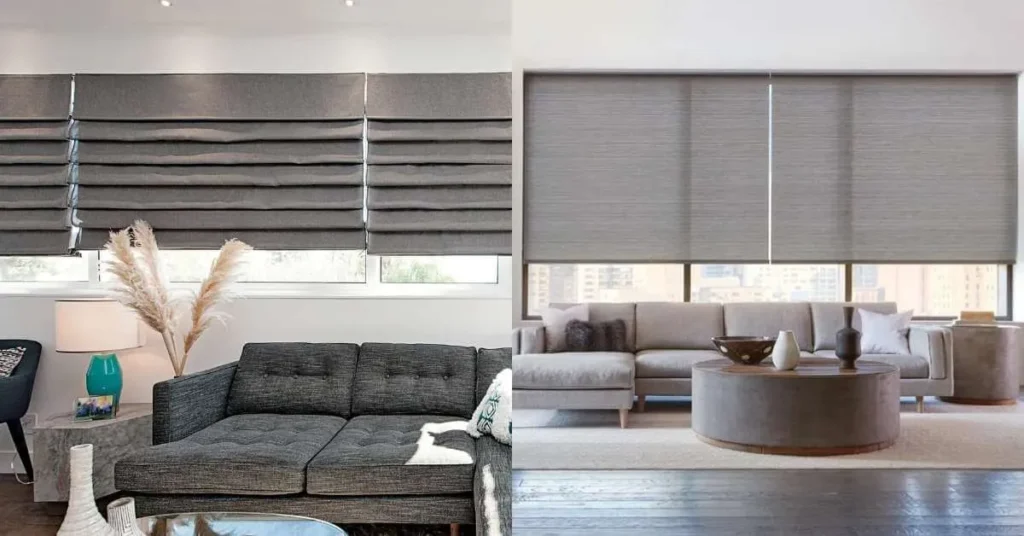
How to Choose the Right Window Treatments for Annapolis Sunlight: A Room-by-Room Guide Annapolis sunlight—golden, coastal, and unforgiving. It’s one of the reasons we love living here… and one of the reasons our homes take a beating. If you’ve ever felt your living room turn into a sauna by noon or noticed your hardwood floors fading faster than your vacation tan, then you know: sunlight matters. Choosing the right window treatments isn’t just about pretty patterns or trendy colors. It’s about managing heat, protecting your space, and, yes—making your home look damn good while doing it. In this room-by-room guide, we’ll show you exactly what window coverings work best for each part of your Annapolis home—tailored to sunlight, lifestyle, and aesthetics. Living Room: UV Protection Without Killing the Vibe The living room often faces the brunt of Annapolis sunlight, especially in homes with expansive, west-facing windows that bathe the space in warm rays throughout the afternoon. While natural light brings life into the room, too much of it can overheat the space and bleach your floors and furniture over time. That’s where the magic of solar shades comes in—subtle yet powerful, they filter out harsh UV rays while still allowing soft, ambient light to pour in. Paired with elegant drapery, the result is a living room that stays cool and stylish, with light that flatters rather than overwhelms. It’s not about shutting the sun out—it’s about giving it boundaries. Dining Room: Light Filtering, Not Mood Killing Dining rooms deserve their lighting vibe—warm, soft, and just filtered enough to create an inviting atmosphere without overpowering the space. The Annapolis sun can create awkward dinner-hour glares depending on your window orientation, so it’s essential to strike the right balance between brightness and comfort. Sheer shades or zebra blinds offer that dreamy in-between space—they let daylight in but mute its intensity, so your mealtime isn’t a constant squint-fest. With clean lines and a soft color palette, these treatments exude a coastal, classic, and intentionally designed aesthetic. The result? A space that glows without glaring. Bedroom: Because Sleep Is Sacred In the bedroom, light control becomes a matter of lifestyle—because when the morning sun hits too early, it’s not charming; it’s chaos. For Annapolis homes that get blasted with early light, blackout shades are a must. Honeycomb cellular shades with side channels offer excellent insulation while keeping your space pitch black when you need it to be. Motorized options add a layer of luxury and ease, allowing you to schedule your shades to rise with your alarm—or stay shut when you’re in full weekend mode. It’s a small change that completely transforms your sleep game. Kitchen: Heat, Humidity, and Hot Mess Prevention The kitchen might not seem like a high-priority place for window treatments, but it’s one of the most demanding. Between cooking steam, heat from appliances, and random splashes, this space calls for materials that are as tough as they are attractive. Faux wood blinds bring a warm, rustic charm to the space but are far more durable and easy to clean than real wood. Composite shutters, too, hold up beautifully in steamy, high-traffic environments, resisting moisture while still adding architectural elegance. When you’re mid-meal prep, the last thing you want is a fussy window covering. Here, function and form go hand in hand. Bathroom: Steamy, Private, and Still Pretty Bathrooms are all about balance—privacy, light control, and resistance to the constant moisture in the air. In a coastal town like Annapolis, the humidity adds an extra challenge. That’s why vinyl shutters or moisture-resistant roller shades are so effective. They’re designed to handle condensation without warping, peeling, or growing mildew, and they maintain a clean and crisp appearance while doing so. Whether you’re soaking in the tub or getting ready for the day, your bathroom should feel like a retreat, not a place where you worry about whether your blinds are going to hold up. Good design should never get soggy. Home Office: Glare-Free Screens & Professional Zoom Vibes With so many Annapolis homeowners now working remotely, the home office has gone from an afterthought to a focal point. But that beautiful daylight flooding in can become a real pain when it hits your computer screen at just the wrong angle. Solar screen shades are a sleek solution—cutting glare without sacrificing the natural light that helps keep you focused and energized. For more control, top-down and bottom-up shades let you adjust the light flow exactly as you want it, keeping your face well-lit and your screen readable. Throw in motorization, and you’re not just working from home—you’re working smarter, with effortless style. Final Takeaway: Don’t Let the Sun Dictate the Mood of Your Home Annapolis homes are full of charm, character, and sunlight—sometimes too much of it. The right window treatments help you harness that light, protect your interiors, and enhance how each room feels, functions, and flows. Whether you’re curating a cozy bedroom sanctuary, crafting the perfect home office, or just trying to keep your living room from turning into a tanning bed, there’s a custom solution waiting for you. At Meticulous Blinds Annapolis, we don’t just sell treatments—we guide you through every choice with care, expertise, and a deep understanding of what makes Annapolis homes special. Ready to give your windows the treatment they deserve? Please book your free in-home consultation today, and let’s design something beautiful together. Frequently Asked Questions 1. What type of treatment is best for bright, sun-facing rooms? Homeowners often want something that blocks UV rays without turning off the light. Solar shades provide excellent glare and UV reduction while preserving views and allowing daylight to pass through. 2. Are window treatments hard to clean in kitchens and bathrooms? Faux‑wood blinds, vinyl shutters, and composite shutters are your go‑to for kitchens and bathrooms—they resist moisture, wipe clean, and don’t warp from steam or grease. 3. What’s the difference between shades, blinds, and shutters? Drapes are soft fabric panels; blinds have slats that tilt; shades are a

Blogs

Awning vs Pergola

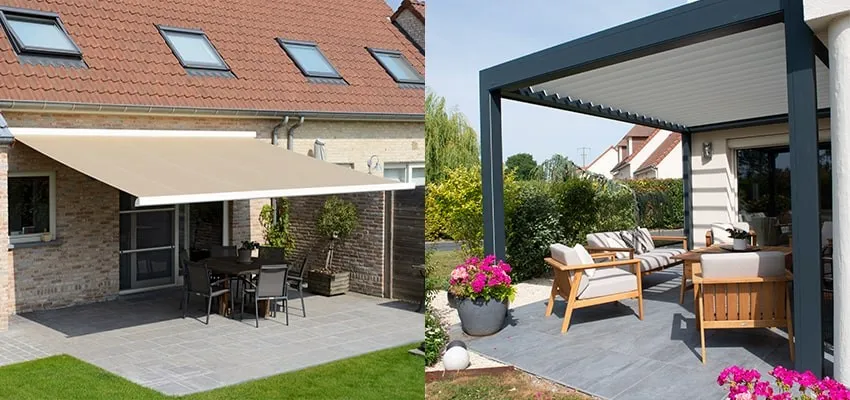
Awning vs Pergola: Which Outdoor Shade Option is Best for Your Home? The sun’s out, but that doesn’t mean you have to be roasting in it. Whether you’re lounging on the patio with a cold drink or hosting a cozy evening dinner under the stars, the proper shade structure makes all the difference. And when it comes to outdoor comfort and curb appeal, two options always lead the debate—awnings and pergolas. Both provide relief from harsh sunlight and add serious style to your outdoor space, but they’re built very differently. Awnings are sleek, often retractable, and ideal for quick shade on demand. Pergolas, on the other hand, are more architectural, open-air frameworks that offer partial shade and a bold visual statement. So which one fits your lifestyle—and your patio—better? Let’s break down the structural differences, pros and cons, and why sometimes, the perfect solution might just be a mix of both. What Is an Awning? An awning is a secondary covering typically mounted to the exterior wall of a home or building. Professional awning installation enhances style and protection. You will see them above windows, doors, or patios—anywhere shade and light weather protection are needed. Unlike umbrellas, which are portable and often limited in size, awnings are built-in structures that offer broader coverage and a more permanent, architectural feel. Become an innovative solution. They come in two main styles: fixed (stationary) and retractable. Fixed awnings stay in place year-round, while retractable ones can be extended or retracted depending on the weather or your mood. And when summers hit hard and outdoor living is the only solution, retractable awnings installation has become an innovative solution. Common Awning Materials: Canvas Acrylic fabric Aluminum Typical Applications: Providing shade over patios and decks Reducing solar heat gain through windows Creating comfortable, sheltered outdoor spaces In short, awnings offer a practical blend of shade, shelter, and structure—perfect for turning a basic outdoor area into a livable extension of your home. What is a Pergola? A pergola is an outdoor structure that can be either freestanding or attached, consisting of columns that support a roofing grid of beams and rafters, is called a pergola. While many people might think a pergola is the same thing as a gazebo, the two structures are quite different in terms of shape, materials, and function. Unlike a gazebo that can provide a sheltered and private place to hang out, a pergola is an open structure that offers less shade and cover. In contrast to awnings, pergolas have a more architectural character and often serve as the key element in outdoor design. They offer a structure for partial shade and can be individualized to suit shade, aesthetics, and function. Common pergola materials: Wood (cedar, pine) Aluminum Vinyl Typical uses: Creating outdoor dining or lounge spaces Garden features Extending outdoor living areas Comparing Awning vs. Pergola: Key Factors Let’s examine the key differences between awnings and pergolas. 1. Sun Protection Superior sun protection is provided by shades, but awnings provide complete darkness, especially by adjustable retractable awnings that can be fine-tuned to follow the sun’s position throughout the day. Unless augmented with fabrics, slats, or climbing plants, a pergola offers only partial shade. 2. Weather Resistance Awnings can be pulled back in bad weather, keeping them safe from harm. Permanent pergolas can withstand severe weather conditions and require only minimal maintenance if made from specific materials, such as wood. Such pergolas need reliable care if they are to last a long time. To enhance protection against wind and sun, many homeowners also choose to install shutters as a stylish and functional addition. 3. Aesthetic Appeal Pergolas rank high in terms of aesthetics, and they can be tailored to fit any outdoor style. Whereas awnings now come in sleek, modern designs, enhancing the overall appearance of the building. 4. Installation & Maintenance Retractable models are more straightforward and speedier to install than awnings. This makes them a better option for specific applications. Installing a pergola is a more complex process that requires several steps, making it a time-consuming project. Once installed, a wood pergola installation requires regular maintenance to ensure its longevity. Materials, both good and bad, have a way of deteriorating over time when exposed to the elements. Even a painted or stained wood pergola will show signs of wear after a few years if it isn’t regularly touched up. So, while a pergola adds a lovely touch to a backyard garden, installing one (or having one installed) and then keeping it up can be rather time-consuming. 5. Cost Generally, the cost of awnings (whether they are manual or motorised) is less than that of a custom-built pergola. A pergola can be a larger financial commitment, particularly when employing high-end materials or comprehensive lighting and cover systems. 6. Functionality & Flexibility The weather dictates what can be done with an awning. If it is nice and sunny, your awning can bask in the glory and be fully extended. If it is a little misty or maybe breezy, retract that awning! Pergolas are also static structures but can be adapted with curtains or retractable canopies. When to Choose an Awning? Awnings suit the needs of homeowners who: Need prompt shielding from sunlight for windows, patios, or decks. Choose practical, functional solutions that require little effort to maintain. Require a budget-friendly approach to lower the temperature within the house. Similar to the concept of a shade that one can pull down and hide when not in use. Reside in places that have variable climatic conditions They are particularly advantageous for use in confined outdoor spaces or smaller backyards. When to Choose a Pergola? If you think a pergola is a better fit for your needs, consider the following: You want partial sun protection. You plan to grow vines and other climbing plants. You want an outdoor living space with a slightly more defined shape than an unsubdivided part of your yard. Can You Combine a Pergola and Awning? Certainly! Integrating both can provide

Meticulous Blinds